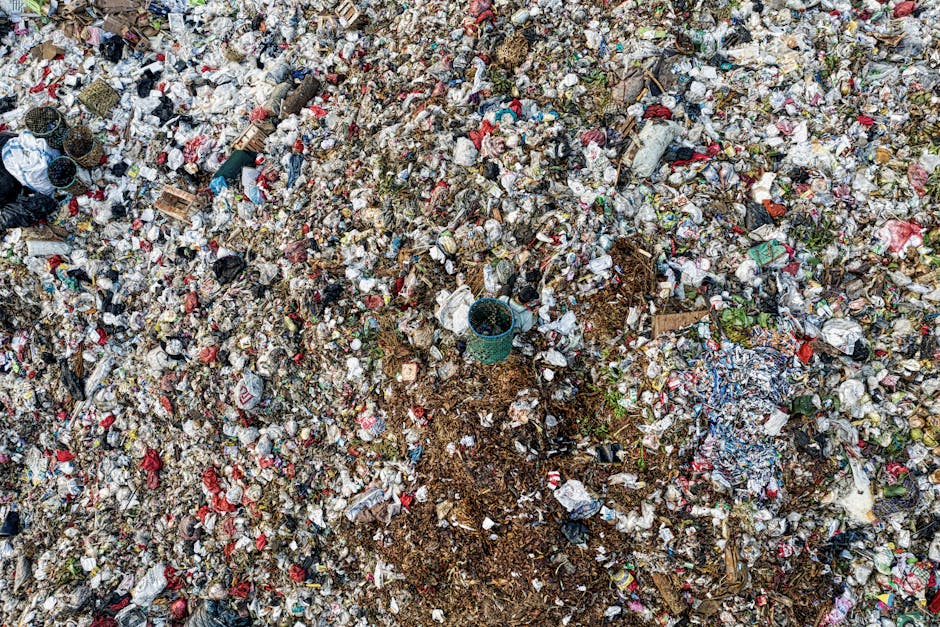
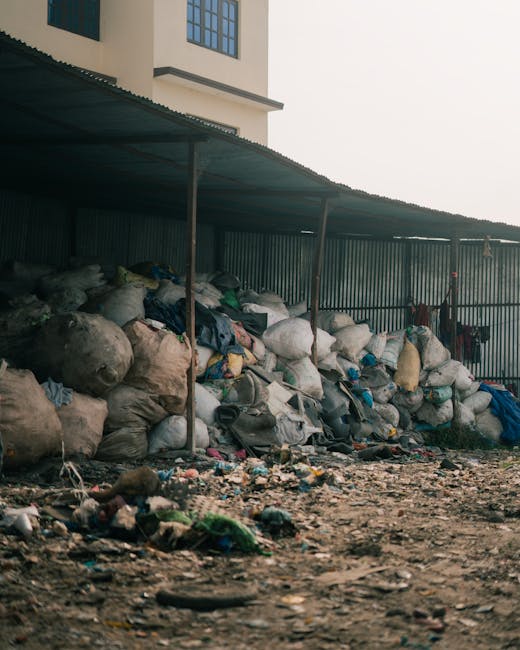
Finchley Central station: dealing with dumped waste
Dumped waste around a station is more than an eyesore. Near Finchley Central station, it can block walkways, attract litter, create trip hazards, and make a place feel neglected in a matter of hours. If you are responsible for a property, managing a business nearby, or simply trying to report and clear a pile that should not be there, you need a practical plan that works quickly and safely.
This guide explains Finchley Central station: dealing with dumped waste in plain English. You will learn how the process usually works, what to do first, when to bring in professional help, which mistakes to avoid, and how to keep disposal compliant and sensible. We will also cover local best practice, useful service options, and what to expect if the waste includes bulky items, construction debris, or mixed rubbish. If you need a fast route to a proper cleanup, this article will help you make a calm, informed decision.
Why Finchley Central station: dealing with dumped waste matters
Station-adjacent rubbish creates a chain reaction. A single fly-tipped mattress, bag of mixed waste, or pile of renovation offcuts can become a magnet for more dumping. Once that happens, the area often deteriorates faster than people expect. Passers-by assume someone else will sort it, and before long the problem becomes a small but persistent blight.
For businesses, landlords, managing agents, and local residents, this matters for three reasons. First, safety: broken glass, sharp timber, and unstable piles create obvious hazards. Second, presentation: waste near a station can affect how people perceive the whole street. Third, operational disruption: if the rubbish sits on access routes, it can interfere with foot traffic, deliveries, and routine maintenance.
There is also a practical reality that gets overlooked. Dumped waste is rarely just "a bag of rubbish". It is often mixed material, which means different disposal routes may be needed. Furniture, building rubble, electronics, garden waste, and general household rubbish should not all be handled the same way. That is where a structured clearance approach saves time and avoids headaches.
If you are already looking for a capable team to handle larger or mixed loads, it may help to review a dedicated waste removal service alongside more specific options such as builders waste clearance or furniture disposal. The right fit depends on the waste type, access, and urgency.
How Finchley Central station: dealing with dumped waste works
The process is straightforward when it is handled properly, but the details matter. In most situations, the job starts with identifying what has been dumped, where it sits, and whether it poses an immediate risk. A good site assessment will look at access, load size, contamination, and whether the waste includes restricted items.
From there, the job is usually broken into four practical stages:
- Assessment: identify the material, the volume, and any hazards.
- Planning: decide what equipment, vehicle size, and crew are needed.
- Clearance: remove the waste, separate items where sensible, and leave the area tidy.
- Disposition: route reusable or recyclable materials appropriately and dispose of residual waste through approved channels.
For a station environment, speed and discretion are often important. Nobody wants a pile of waste sitting for days outside a busy transport hub. Equally, you do not want a rushed job that leaves loose debris behind. A practical waste team should arrive prepared, work efficiently, and finish with a proper sweep-up.
In more complex cases, the waste may sit alongside clearance needs from nearby premises. For example, a shop, office, or flat above the station could be dealing with a separate accumulation issue. That is when linked services such as office clearance, flat clearance, or home clearance become relevant. It is usually more efficient to combine nearby jobs where appropriate rather than book multiple disjointed visits.
Key benefits and practical advantages
Dealing with dumped waste well is not just about tidiness. Done properly, it produces benefits that show up immediately and keep paying off over time.
- Safer access: clear paths reduce trip hazards and make entrances easier to use.
- Better first impressions: a clean frontage sends a stronger message to customers, residents, and visitors.
- Less follow-on dumping: cleared sites are less likely to attract additional fly-tipping.
- Faster return to normal use: the area can be put back into service without lingering disruption.
- Smarter disposal: recyclable items can be separated instead of being treated as one mixed heap.
- Lower stress for the responsible party: once a clear plan is in place, the issue stops dominating your day.
There is another advantage that is easy to underestimate: certainty. If you know who is handling the waste, where it is going, and how the removal will happen, you can avoid messy surprises. Truth be told, that alone is worth a lot when a station area needs attention quickly.
For situations involving larger items, it can be helpful to look at related services such as furniture clearance or garage clearance. Those pages are especially useful if the waste includes bulky household items that were dumped rather than broken down.
Who this is for and when it makes sense
This kind of clearance is relevant to several groups, and the triggers vary. A retail operator near the station may need action after a customer complaint or an overnight dump. A landlord may need removal after a tenancy ends. A facilities manager may need urgent support after construction work or a contractor leaves waste behind. Residents may need help if a shared access route or communal area is affected.
It makes sense to book professional help when:
- the waste is too bulky or heavy to move safely by hand;
- the pile includes mixed materials that need sorting;
- access is awkward, narrow, or time-sensitive;
- you are unsure whether any items are hazardous;
- you want the area cleared in one visit rather than over several days;
- you need reassurance that disposal will be handled responsibly.
In some cases, the waste is not just "dumped" but the result of a broader clearance problem. A cluttered flat, outbuilding, or office can create overflow that ends up at the wrong place. That is where targeted services such as house clearance in Finchley, loft clearance, or builders waste clearance can solve the root issue as well as the visible mess.
Step-by-step guidance
If you want a practical route from problem to resolution, use this sequence.
- Take a safe look first. Do not climb into piles or move sharp, unstable, or contaminated items without the right protection.
- Photograph the scene. This helps with reporting, quoting, and record-keeping.
- Separate obvious waste types if safe to do so. For example, cardboard, timber, and general rubbish may be identified at a glance.
- Check access routes. Narrow alleys, stairwells, and loading restrictions can affect the method.
- Decide whether the job is small, mixed, or hazardous. That determines the right service and the right crew.
- Request a clear quote. Make sure it covers labour, transport, disposal, and any special handling.
- Arrange collection at a sensible time. Early slots or off-peak periods are often easier near transport links.
- Confirm what will happen after removal. A tidy finish matters almost as much as the lift itself.
A useful rule: if it takes two people, a trolley, and a slightly awkward face to move the pile, it probably deserves proper handling rather than a quick improvised fix.
If you are comparing service options, the provider's pricing and quotes guidance can help you ask the right questions before booking. That avoids vague estimates that become frustrating later.
Expert tips for better results
A few small choices make a big difference in the real world.
1. Be specific about what is there
"A pile of rubbish" is not enough detail. Mention sofas, broken cabinets, plasterboard, bags, soil, electricals, or loose mixed waste if they are present. Specific information leads to a better-sized vehicle and fewer delays on site.
2. Make access part of the conversation
Many clearance problems are really access problems in disguise. If there is a narrow passage, a basement, steps, or restricted parking, say so early. A good team will plan accordingly rather than improvising at the kerb.
3. Ask about sorting and recycling
Not every item should end up in the same container. A thoughtful clearance provider should aim to separate suitable materials where practical. That is one reason recycling and sustainability practices matter so much in waste handling.
4. Deal with the source, not only the symptom
If a business keeps finding dumped items at the same spot, the issue may be weak storage, poor signage, an accessible boundary, or a recurring contractor problem. Fixing the layout or storage routine often reduces repeat incidents.
5. Use a provider with proper safeguards
Insurance, health and safety controls, and a documented complaints route are not decorative extras. They are signs the operator understands the responsibility that comes with handling waste near a busy public location. You can review details such as insurance and safety and the health and safety policy before you commit.
Common mistakes to avoid
Most avoidable problems appear when people rush. A little caution saves time later.
- Leaving the waste too long: delay often makes the pile larger, messier, and more visible.
- Guessing the load size: underestimating volume can lead to extra visits or higher cost.
- Mixing hazardous and non-hazardous items: this can complicate disposal and create safety issues.
- Assuming everything can go in general waste: that is rarely true for electronics, rubble, or certain bulky items.
- Ignoring access details: poor planning can slow the job or increase handling time.
- Choosing solely on price: the cheapest option may not include proper disposal or adequate care.
One common oversight is forgetting that dumped waste often has a back story. Was it left by a contractor? Did a move go wrong? Is it a symptom of a fuller clearance need? Once you identify the source, the next step becomes much clearer.
Tools, resources and recommendations
You do not need a warehouse of equipment to deal with dumped waste well, but a few practical tools help.
- Heavy-duty gloves for brief contact with safe items.
- Closed footwear to reduce injury risk near broken objects.
- Camera or phone for documenting the site.
- Measuring tape or rough size estimate to describe the volume accurately.
- Bin bags, sheeting, or containers if you are temporarily corralling safe, loose material.
- Access notes covering parking, gate codes, time windows, and stairs.
On the service side, nearby residents and businesses often benefit from a provider who can cover different clearance types without complicating the booking. For example, if the issue extends beyond dumped waste, options like garden clearance, house clearance, or business waste removal may be more appropriate than a one-size-fits-all approach.
If you want an initial conversation rather than a commitment, use the local contact page to describe the site and ask what service suits the situation best. That simple step often clarifies more than people expect.
Law, compliance, standards, and best practice
Waste near a public station area should be handled carefully and in line with normal UK waste expectations. You do not need to become a legal expert to act sensibly, but you do need to avoid casual disposal and unverified operators.
As a general rule, best practice includes:
- using a legitimate waste carrier or equivalent professional service where needed;
- keeping a record of what was removed and when;
- separating recyclable or reusable material where practical;
- avoiding unsafe manual handling of sharp, heavy, or contaminated items;
- making sure the final disposal route is appropriate for the material.
For businesses and landlords, the standard of care is usually higher in practice because you are managing space used by others. That does not mean every situation requires a complex compliance process. It does mean you should ask sensible questions about transport, disposal, and traceability. If a provider cannot explain how they handle waste, that is a warning sign.
Policies also matter. A company's public commitment to terms and conditions, privacy policy, and modern slavery statement can tell you something about how seriously it treats its wider responsibilities. Those are not the first things people think about when there is a pile of dumped waste outside a station, but they do help build confidence in the operator you choose.
Options, methods, and comparison table
There is more than one way to handle dumped waste. The best choice depends on volume, urgency, and whether the materials are simple or mixed.
| Method | Best for | Pros | Limitations |
|---|---|---|---|
| Self-clearance | Very small, safe amounts | Immediate if you already have the right vehicle and time | Manual handling risk, disposal uncertainty, time-consuming |
| One-off professional removal | Mixed or bulky waste, awkward access, urgent jobs | Fast, practical, tidy finish, less disruption | Cost depends on volume and complexity |
| Planned clearance with a broader service | Recurring issues or waste linked to a larger property problem | Solves root cause as well as the visible pile | Needs a bit more coordination |
| Specialist project support | Construction debris, office waste, or load-heavy clearances | Better suited to larger or more complex waste streams | May need more detailed booking information |
For many readers, the real decision is not "can I move it?" but "can I move it safely, legally, and without turning a small mess into a bigger one?" That is usually the point where professional support becomes the sensible option.
Case study or real-world example
Consider a realistic scenario near Finchley Central station. A side access area behind a small commercial unit becomes a drop point for mixed waste: a broken chair, several bags of household rubbish, a bit of cardboard, and some leftover timber from minor repairs. At first glance it seems manageable, but the pile is blocking a narrow passage used for deliveries.
The responsible person takes photos, checks the access route, and confirms that no hazardous material is present. They request removal from a local clearance provider and explain that the waste is mixed, bulky, and needs a tidy finish. The team arrives with the right vehicle, loads the items efficiently, and clears loose fragments from the ground before leaving. The area returns to normal use the same day.
What made the difference here? Three things: early assessment, accurate description, and choosing a service that understood mixed waste rather than only standard bin collections. Small decisions, big result.
If the scene had also involved a cluttered storage room or adjoining premises, a broader property clearance such as garage clearance or loft clearance might have been the better fit. The clue is usually in the shape of the waste, not just where it ends up.
Practical checklist
Use this quick checklist before arranging removal.
- Have I identified the main waste types?
- Do I know whether anything is sharp, heavy, wet, or potentially hazardous?
- Have I taken photos for reference?
- Is access clear enough for safe removal?
- Do I need a one-off job or a broader clearance service?
- Have I checked whether the provider explains disposal and recycling clearly?
- Do I have a preferred date or time window?
- Have I asked for a proper quote rather than a vague estimate?
- Do I know who is responsible for the area after clearance?
- Is there a follow-up step to reduce repeat dumping?
Quick takeaway: the best outcomes come from clear information, sensible access planning, and a provider that treats both safety and disposal properly.
Conclusion
Finchley Central station dumped waste is not just a cosmetic problem. It affects safety, presentation, movement, and the way people experience the area. The good news is that most cases can be handled cleanly if you assess the waste properly, choose the right removal method, and avoid shortcuts that create new problems.
If you are dealing with a small but awkward pile, or a larger mixed load that needs prompt attention, the right approach is usually practical rather than dramatic: identify the material, confirm access, choose the suitable service, and get the area back to normal as quickly as possible. That is especially true near a busy station where delays make everything feel worse.
Get a free quote today and see how much you can save.
If you want to move from assessment to action, reach out through the local contact page or review the company's about us information to understand how the service is set up. For readers who want a clearer view of trust, service scope, and responsible handling, the supporting pages on recycling and sustainability and insurance and safety are worth a look too.
Frequently Asked Questions
What should I do first if I find dumped waste near Finchley Central station?
Start by checking that the area is safe, then photograph the waste and note what types of items are present. If there are sharp, heavy, or potentially hazardous materials, do not handle them casually. After that, decide whether it is a small self-clearance job or one that needs professional removal.
Can I remove dumped waste myself?
Sometimes, yes, if the load is small, safe, and easy to transport. But mixed rubbish, bulky items, or anything with uncertain contents is usually better handled by a professional clearance team. The main issue is not just lifting it; it is disposing of it properly.
How do I know if a waste clearance service is suitable for station-side dumping?
Look for a service that can handle mixed loads, awkward access, and quick turnaround. It should also be able to explain how it manages disposal and recycling. If the waste includes furniture, rubble, or office items, specific services such as furniture clearance or office clearance may be a better fit.
What kinds of waste are commonly dumped in public-facing areas?
Typical items include black bags, broken furniture, cardboard, renovation offcuts, old appliances, and garden cuttings. In some cases, the waste is mixed, which is why a flexible clearance service is often needed rather than a standard collection.
Is fly-tipped waste different from regular rubbish?
Yes. Fly-tipped or dumped waste usually appears where it was not meant to be left, and it can include mixed or hidden contents. That makes it more likely to require sorting, careful handling, and a proper disposal route instead of simple collection.
How quickly can dumped waste be cleared?
Timing depends on access, the amount of waste, and the type of material. Smaller, straightforward jobs can often be turned around quickly. Larger or more complex clearances need more planning, but the process is usually still much faster than trying to manage everything in stages yourself.
Do I need to separate recyclable items before collection?
Not always, but separating obvious recyclable material can help if it is safe and practical to do so. The main point is to give the clearance team accurate information so they can decide what should be reused, recycled, or disposed of separately.
What if the dumped waste is on private property?
If it is on private land, the property owner or managing party usually needs to arrange removal. The next step is to identify the waste type and check whether the area has access for a clearance team. For homes, outbuildings, or storage areas, a broader service like home clearance or garage clearance may be appropriate.
How can I reduce repeat dumping near the same spot?
Improve visibility, keep the area tidy, and review whether access, storage, or signage is encouraging misuse. In some cases, better routine clearance and a faster response to the first pile can reduce the chance of repeat dumping.
Will a professional clearance team tidy up afterwards?
A good one should. Removal is only half the job. The area should be left safe and presentable, with loose debris picked up where practical. If that is important to you, ask about the finish before booking.
What if the waste includes construction debris or renovation leftovers?
That usually calls for a more specific approach, such as builders waste clearance. Construction waste can be heavy, dusty, and awkward to move, so it is worth matching the service to the material rather than assuming a general pickup will do the job well.
Where can I find more details about booking and service terms?
You can review the provider's terms and conditions, as well as the pages on pricing and quotes and payment and security. Those pages help you understand expectations before you confirm a job.