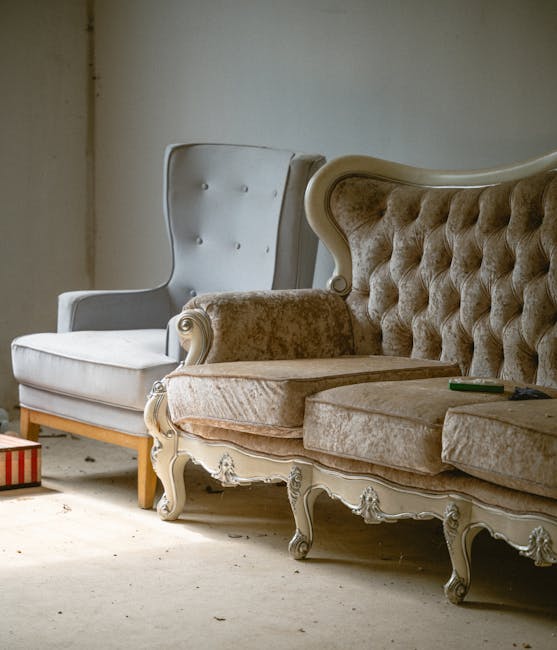
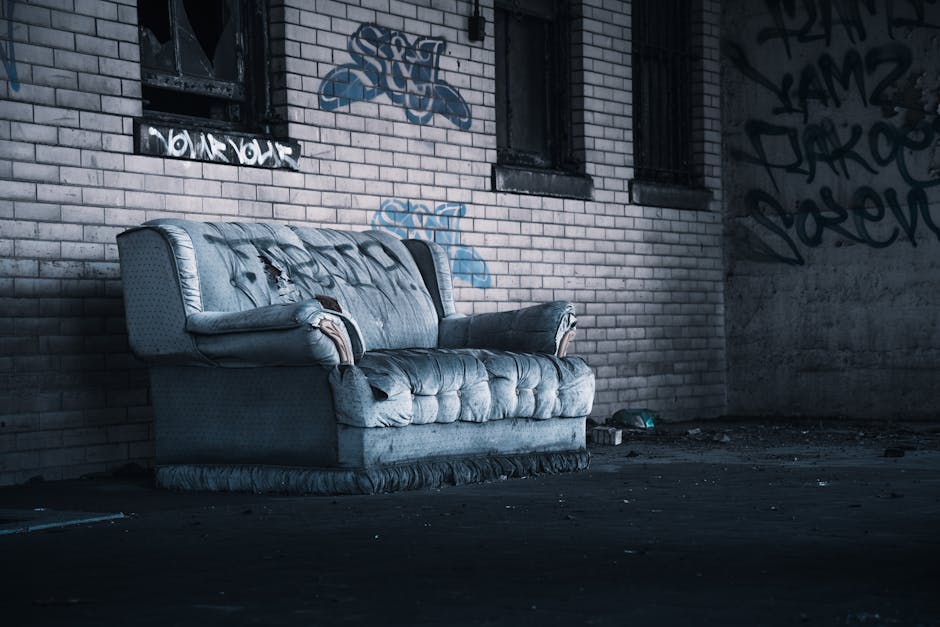
Tackling bulky sofa disposal for Finchley flat owners
If you live in a Finchley flat, getting rid of a bulky sofa can feel oddly complicated for something that sounds simple. There's the narrow hallway, the awkward stairwell turn, the lift that's just a bit too small, and the quiet realisation that the old sofa looked much smaller in the shop than it does now. Tackling bulky sofa disposal for Finchley flat owners is really about making that process safe, efficient, and lawful without turning your hallway into an obstacle course.
This guide walks through the practical side of sofa removal in North London flats: what usually makes it tricky, how the process works, how to choose the right disposal route, and how to avoid the common mistakes that cost time and money. If you are weighing up a flat clearance, a single-item removal, or a larger rubbish removal service, this article should give you a clear next step. No fluff. Just the bits people actually need.
Table of Contents
- Why bulky sofa disposal matters in Finchley flats
- How the disposal process works
- Key benefits and practical advantages
- Who this is for and when it makes sense
- Step-by-step guidance
- Expert tips for better results
- Common mistakes to avoid
- Tools, resources and recommendations
- Law, compliance, standards, and best practice
- Options, methods, and comparison table
- Case study or real-world example
- Practical checklist
- Conclusion
- Frequently asked questions
Why Tackling bulky sofa disposal for Finchley flat owners Matters
A bulky sofa is not just "one item." In a flat, it can affect access, safety, neighbours, and even your timing if you are moving out. Finchley has a mix of period conversions, mansion blocks, newer apartment buildings, and estates with different access layouts. That variety matters. A sofa that can be slid out in one building may require full dismantling in another. Simple enough in theory, but not always simple in real life.
There are also practical knock-on effects. An old sofa left in a communal hallway can block escape routes, annoy neighbours, and create a trip hazard. If it's damp, dusty, or has seen better decades, it can also become a hygiene issue. And if your landlord, managing agent, or concierge has access rules, the disposal job can get delayed fast. Not dramatic, just inconvenient in the very specific way flat life can be.
For many residents, the real value of tackling the job properly is peace of mind. You know the item will be handled safely, removed without damage to walls or lifts, and taken to the right destination for reuse, recycling, or disposal. That matters whether you are clearing a rental before check-out, replacing furniture after a refurbishment, or helping a relative downsize.
Practical takeaway: in a flat, sofa disposal is less about "lifting something away" and more about planning the route, the timing, and the destination.
How Tackling bulky sofa disposal for Finchley flat owners Works
At a practical level, sofa disposal usually follows the same broad pattern: assess the item, decide whether it can be reused or dismantled, move it out safely, and send it to the appropriate next stop. The difference for flat owners is access. That is the bit that decides how smooth the job feels.
Here is the basic flow most households follow:
- Check the sofa size and condition. Is it a two-seater, corner sofa, sofa bed, or modular set? Is the frame still solid? Are there stains, tears, or broken parts?
- Measure the exits. Door widths, hallway corners, stair turns, lift dimensions, and any low ceilings should all be checked before moving day.
- Choose the route. If it can be dismantled, that often makes the process much easier. If not, a two-person carry may be enough for smaller pieces, but not always.
- Prepare the building. Let neighbours know if needed, protect floors, and make sure communal access is clear.
- Remove and load safely. This is where the heavy lifting, vehicle loading, and careful handling all come together.
- Sort the end destination. Depending on condition, the sofa may be reused, recycled, or disposed of through an appropriate waste route.
If the sofa is still usable, some people explore donation or resale first. If it is damaged or no longer safe, removal becomes the priority. In both cases, the best approach is usually the one that minimises handling and keeps you out of trouble with building rules. Sounds obvious, but people often underestimate the access part and only think about the weight.
For a wider home clear-out, the sofa is often just one piece in a bigger puzzle. If that sounds familiar, a broader house clearance service can sometimes be more efficient than arranging separate trips for each bulky item.
Key Benefits and Practical Advantages
Doing this properly saves more than just effort. It protects the flat, the staircase, and your nerves. Truth be told, those last two are often the same thing.
| Benefit | What it means in practice | Why it helps Finchley flat owners |
|---|---|---|
| Safer removal | Less risk of injury, scuffed walls, or broken fixtures | Helpful in narrow halls, stairwells, and shared entrances |
| Better time control | The job is planned instead of improvised | Useful if you are moving out or expecting visitors, tradespeople, or inspections |
| Less stress | You know who is moving what, and when | Particularly useful in flats where access windows can be tight |
| Cleaner outcome | Waste is routed properly rather than dumped or abandoned | Reduces the risk of complaints or building issues |
| Potential reuse | Usable sofas may be diverted from disposal | Good for residents who want a more responsible approach |
The hidden benefit is not having to make a second decision later. A lot of people push the sofa into the corner, meaning to "sort it next weekend," and then it sits there for three weeks like an unpaid guest. Getting it handled in one go is usually the kinder option for your space and your schedule.
Who This Is For and When It Makes Sense
This topic matters to a few different kinds of Finchley residents, and each one has a slightly different reason for needing it sorted quickly.
- Tenants who need to leave a flat clear and tidy at the end of a tenancy.
- Landlords dealing with left-behind furniture after a move-out.
- Homeowners replacing worn-out furniture in a compact flat or maisonette.
- Letting agents and managing agents coordinating access-sensitive removals.
- Families clearing older furniture after downsizing or reorganising a home.
- Anyone with limited carrying capacity who simply cannot move a heavy sofa safely on their own.
It makes sense to choose a structured disposal approach when the sofa is too large for your lift, too awkward for one person, or too heavy to take down stairs without risk. It also makes sense when there is a deadline. Flat inspections, handovers, refurbishments, and deliveries have a funny habit of arriving all at once.
If the sofa is in decent condition, it may still have value as a reusable item. If it is damaged, smells damp, has a broken frame, or is infested, disposal becomes the cleaner and more sensible route. There is no prize for keeping an unusable sofa "just in case." Let's face it, it usually just takes up precious space.
Step-by-Step Guidance
Below is a straightforward approach that works well for most flat owners. You can adapt it depending on the size of the sofa and the layout of the building.
1. Measure first, move later
Measure the sofa, then measure the route out of the flat. That means the doorway, hallway width, stair bends, and lift access if you have one. A sofa that is technically "not that big" can still get stuck on a stair turn. That bit catches people out all the time.
2. Decide whether dismantling is needed
Some sofas come apart more easily than others. Modular sectionals often separate into manageable pieces. Sofa beds and recliners are trickier because of their internal mechanisms. If the frame is awkward or the item is oversized, dismantling may be the safest route. A few screws now can save a lot of dragging later.
3. Protect your building
Use blankets, cardboard, or padding on corners, bannisters, and floors if the sofa is being manoeuvred through a tight route. Even a short move can leave marks on painted walls or dent a door frame. In a flat, those little marks are the ones people notice.
4. Check the rules for your building
Some buildings require advance notice for removals, lift bookings, or use of service entrances. Others have time restrictions for noisy activity. If you are unsure, ask the managing agent or concierge before the day, not on the day when somebody is standing there with a sofa half-way through the lobby.
5. Plan the loading point
Think about where the removal vehicle can stop safely. Narrow London streets can make this awkward, especially near parking bays or rush-hour traffic. A smooth handover between flat and vehicle can cut down the time the sofa spends in shared areas.
6. Separate any reusable parts
Loose cushions, removable feet, and small accessories should be gathered before the main removal. If the sofa contains recyclable materials or usable components, keep them separated where possible. It is a small step, but it improves handling.
7. Final sweep and check
Once the sofa is out, check the space for screws, staples, dust, or fabric scraps. In our experience, a quick sweep saves a lot of annoyance later, especially if you are photographing the flat for check-out or preparing for cleaning.
If you are dealing with several items rather than just one sofa, a more structured flat clearance service may be the easiest route. It can reduce multiple trips and simplify access coordination, which is handy in buildings with awkward lifts or limited parking.
Expert Tips for Better Results
These are the small things that make the job feel much easier. Not flashy. Just sensible.
- Take photos before moving anything. If there is damage to the sofa, walls, or floors, photos help you keep a clear record. That matters for tenants and landlords alike.
- Clear the route completely. Shoes, umbrella stands, plant pots, side tables, and scooters all become annoying obstacles when a bulky item is in motion.
- Use the right number of people. A second pair of hands is often the difference between a smooth lift and a strained back. No hero points for doing it solo.
- Book the removal for a sensible time. Mid-morning is often better than late afternoon if you want less congestion and a less frazzled start.
- Keep noise and neighbour disruption down. Sofas scrape, bump, and complain when moved badly. Slow, controlled movement usually sounds better and goes better.
- Ask about reuse before disposal. If the sofa is still in good condition, don't skip the chance to divert it from waste. A quick assessment can sometimes change the plan entirely.
A small but useful tip: if a sofa will not fit around a corner, try removing legs or cushions before you consider forcing it. Many removal headaches are solved by making the item a little smaller rather than trying to brute-force it through the building. Common sense, really. But common sense is often the first thing to leave the room when people are rushing.
Common Mistakes to Avoid
Most sofa removal problems are predictable. That is good news, because predictable problems are easier to avoid.
- Measuring only the sofa, not the route. The route is usually where the surprise happens.
- Assuming the lift is big enough. Many people discover too late that the lift doors or internal cabin are not suitable.
- Leaving the item in a communal corridor. This can create safety and access issues, and it is rarely appreciated.
- Trying to carry a heavy sofa without help. This is one of those jobs that looks manageable until you are halfway down the stairs.
- Not checking the building's access rules. Some flats have very specific requirements, and ignoring them can lead to delays.
- Forgetting about the end destination. "Getting it out" is only half the job. It still needs a proper waste route.
- Choosing the quickest option without checking suitability. Quick is good, but only if it fits the building and the item.
One surprisingly common mistake is leaving the sofa at the last minute before a move-out. That creates pressure, and pressure makes people cut corners. Better to sort it early, even if that means it sits in one room for a short while before collection. At least it is planned.
Tools, Resources and Recommendations
You do not need a warehouse of equipment to deal with a sofa, but the right few items can make the process calmer and safer.
- Measuring tape for doorways, hallways, lift openings, and the sofa itself.
- Protective gloves for grip and to reduce the chance of scrapes.
- Furniture blankets or moving pads to protect paintwork and corners.
- Strong packing tape or bags for loose cushions, screws, or removable parts.
- Basic tools such as a screwdriver or hex key if the sofa can be dismantled.
- Floor protection like cardboard or old sheets in high-traffic areas.
- A second person who can guide, lift, and steady the item.
For many Finchley flat owners, the best "resource" is simply having a clear plan before collection day. That sounds almost too simple, but it really is the difference between a tidy, uneventful removal and a stressful scramble at the door.
If the job forms part of a bigger clear-out, a service that handles multiple item types can be useful. The same applies if you are sorting furniture alongside general household waste. In those cases, a broader man and van removals option may fit better than arranging separate collections.
Law, Compliance, Standards, and Best Practice
For sofa disposal in the UK, the main thing is to make sure waste is handled responsibly and handed to a legitimate operator. You do not need to become a waste law expert, but you should be cautious about who takes the item and where it goes. If someone offers a suspiciously cheap collection and cannot explain how the sofa will be managed, that is a red flag.
Best practice usually means:
- using a properly run waste removal service;
- keeping the sofa out of communal areas for longer than necessary;
- checking building rules for access and timings;
- avoiding unsafe lifting or forced manoeuvring;
- choosing reuse or recycling where the item is suitable.
From a household perspective, the practical legal point is simple: don't abandon bulky waste, and don't hand it to someone if you are not reasonably satisfied they will deal with it properly. In flats, shared access areas also matter. A sofa blocking a corridor or exit route is not just inconvenient; it can create a safety issue for neighbours and visitors.
If you are a tenant, it is also sensible to check your tenancy terms and final inventory expectations. For landlords and agents, a documented removal process is often a cleaner way to avoid disputes. Nothing flashy. Just tidy records and fewer headaches later.
Options, Methods, or Comparison Table
There is more than one way to deal with a bulky sofa, and the best choice depends on the item's condition, access, and how much help you have.
| Method | Best for | Pros | Trade-offs |
|---|---|---|---|
| DIY removal | Small sofas, easy access, strong helpers | No service booking, direct control | Higher risk of damage or injury; still needs disposal destination |
| Reuse or donation | Usable sofas in good condition | More sustainable, may help someone else | Not always accepted; transport and condition matter |
| Specialist bulky item collection | Large or awkward sofas in flats | Less lifting for you, better access handling | Usually needs scheduling and clear access info |
| Flat clearance service | Multiple items or full clear-outs | Efficient for whole-room or whole-flat jobs | May be more than you need for a single item |
| Local authority collection | Residents following council-specific bulky waste routes | Can be suitable in some cases | Availability, timing, and access rules can vary |
For a single sofa in a tricky flat, specialist collection is often the least stressful route. For a bigger move or post-tenancy clear-out, a wider clearance package can be more efficient. The right answer depends less on the sofa itself and more on the whole situation around it.
Case Study or Real-World Example
Here's a realistic Finchley scenario. A couple in a first-floor flat had a three-seater sofa that looked straightforward until they tried to move it. The hallway was narrow, the turn to the stairwell was tight, and the lift, as they discovered, was fine for groceries but not for furniture. Classic.
Rather than forcing the item and risking damage, they measured the route properly, removed the feet, and separated the cushions first. They then booked a collection at a time when the building was quieter and warned the neighbour whose pushchair was usually in the corridor. That small bit of communication helped a lot.
The sofa was taken out in sections, which reduced the strain and protected the walls. The flat was left clear, the exit route stayed tidy, and they avoided the awkward mid-job moment where everyone is stuck in the staircase pretending this was always part of the plan. A fairly ordinary job, but done well. That is often what good disposal looks like in a flat: not dramatic, just smooth.
The main lesson? Measure early, communicate clearly, and don't assume a bulky item will behave the way you want it to. Sofas have a talent for being just a little more awkward than expected.
Practical Checklist
Use this quick checklist before collection or removal day.
- Measure the sofa's dimensions.
- Measure the doorway, hallway, stairs, and lift access.
- Check whether the sofa can be dismantled.
- Remove cushions, feet, and loose parts.
- Protect floors, walls, and corners.
- Confirm building access rules or time restrictions.
- Arrange help for lifting and guiding.
- Clear the route from the flat to the exit.
- Decide whether reuse, clearance, or disposal is the right route.
- Make sure the final destination is a legitimate one.
- Sweep and check the space after removal.
Quick summary: if the sofa is awkward, heavy, or simply too big for the building, don't improvise. Plan the path, protect the property, and choose the disposal method that fits the flat, not just the furniture.
If you want a smoother route from "it has to go" to "done and dusted," the easiest next step is to compare the item, the access, and the level of help you'll need. For a lot of Finchley flat owners, that quickly points to a professional collection or wider clearance service rather than a stressful do-it-yourself lift. A little planning goes a long way, honestly.
Get a free quote today and see how much you can save.
Conclusion
Tackling bulky sofa disposal for Finchley flat owners is really about reducing friction. Once you account for access, safety, building rules, and the sofa's condition, the decision becomes much clearer. Some items can be reused. Some need dismantling. Others are best handled by a specialist team that already knows how to deal with tight stairwells, limited parking, and the general quirks of London flats.
The good news is that this is a solvable problem. With a bit of measurement, a realistic plan, and the right disposal route, the whole thing can be handled without chaos. And when the sofa finally leaves, the room feels bigger straight away. Quieter too, somehow.
That empty space can feel like a small reset. A fresh start, really. And that is never a bad thing.
Frequently Asked Questions
How do I know if my sofa can be removed from a Finchley flat without dismantling it?
Measure the sofa and the full route out of the flat, including doorways, corners, stairs, and the lift if you have one. If any part of the route is tight, dismantling is often the safer choice.
What should I do if the sofa does not fit through the hallway?
Stop before forcing it. Remove cushions, feet, or any detachable parts first. If it still will not fit, dismantling or using a specialist removal service is usually the sensible next step.
Can I leave a bulky sofa in a communal area until collection day?
Only if your building rules allow it and it does not block access or create a hazard. In many flats, leaving furniture in corridors or shared entrances is not a good idea.
Is it better to donate, recycle, or dispose of an old sofa?
That depends on condition. If it is clean, structurally sound, and safe, reuse or donation may be possible. If it is damaged, broken, or unhygienic, disposal or recycling is more realistic.
How far in advance should I plan bulky sofa removal?
As early as you can, especially if you live in a flat with access restrictions or a move-out deadline. Even a few days' planning can make the process much calmer.
Do I need to tell my managing agent before removing a sofa?
In many buildings, yes, or at least it is wise to check. Some blocks have booking systems, lift rules, or preferred access times for bulky removals.
What if I live on an upper floor with no lift?
That usually means more care is needed with lifting, route planning, and the number of people involved. For heavier or larger sofas, specialist help is often the safer choice.
Are sofa beds harder to dispose of than regular sofas?
Usually, yes. Sofa beds are heavier and have moving parts, which makes them awkward in stairwells and narrow hallways. They often need more careful handling.
What happens to the sofa after collection?
That depends on its condition and the service used. A usable sofa may be diverted for reuse, while damaged items may be broken down for recycling or disposal through an approved route.
How can I avoid damaging walls and floors during removal?
Clear the route, protect corners with padding, move slowly, and use enough people for the job. A second pair of hands makes a bigger difference than most people expect.
Is it worth hiring a service for just one sofa?
If the sofa is awkward, heavy, or difficult to move through a flat, yes, it often is. The time saved and the lower risk of damage can easily justify it.
What is the main mistake Finchley flat owners make with sofa disposal?
The biggest mistake is assuming the sofa will be easy to remove once it reaches the hallway. In flats, the problem is often the route, not the furniture itself.