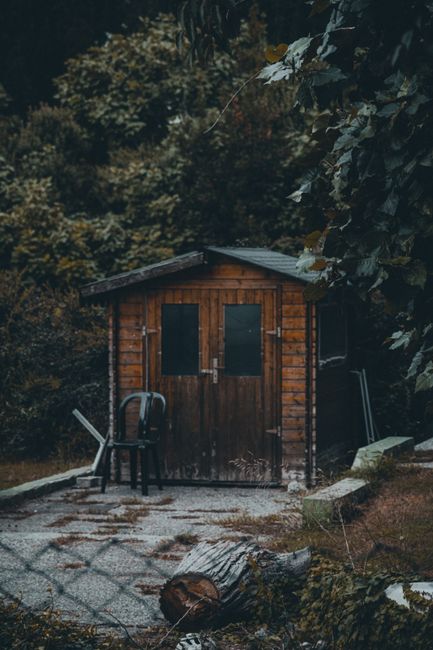
West Finchley bulky shed removal quick local case: a practical local guide
If you have an old shed taking up space in West Finchley, you will know the feeling: half storage, half headache, and usually one awkward job you keep postponing. A West Finchley bulky shed removal quick local case is exactly the kind of situation where speed, safe handling, and local know-how matter more than people expect. Whether the shed is rotting, packed with garden clutter, or simply too awkward to dismantle alone, the right approach saves time and prevents avoidable mess.
This guide breaks down how a fast local shed clearance typically works, what to expect on the day, what can go wrong, and how to choose the most sensible route for your home, rental property, or small business site. We will keep it practical. No fluff. Just the sort of detail that helps you make a decent decision without spending all evening comparing notes.
For readers who want to understand wider clearance options as well, it can help to look at related services such as garden clearance, garage clearance, and general waste removal, since shed jobs often overlap with all three.
Below, you will find a quick local case style guide built for real-world use in Finchley. Not theory. Not guesswork. Just the kind of information that helps when a shed is leaning badly in the back garden and you want it gone before the weather turns again.
Table of Contents
- Why West Finchley bulky shed removal quick local case Matters
- How West Finchley bulky shed removal quick local case Works
- Key Benefits and Practical Advantages
- Who This Is For and When It Makes Sense
- Step-by-Step Guidance
- Expert Tips for Better Results
- Common Mistakes to Avoid
- Tools, Resources and Recommendations
- Law, Compliance, Standards, or Best Practice
- Options, Methods, or Comparison Table
- Case Study or Real-World Example
- Practical Checklist
- Conclusion
- Frequently Asked Questions
Why West Finchley bulky shed removal quick local case Matters
People often treat a shed clearance as a simple tidy-up job, but in practice it can be more complicated. A bulky shed can hold damp timber, rusty tools, broken shelving, leftover paint, garden chemicals, old bikes, or waste tucked in the corners for years. Once you start moving it, the volume becomes obvious very quickly.
In West Finchley, where many properties have narrow side access, shared pathways, or compact gardens, shed removal needs a bit of planning. That is especially true if the structure is warped, partially collapsed, or impossible to dismantle cleanly in one go. Quick local handling matters because it reduces disruption to neighbours, keeps the garden usable, and avoids the temptation to leave everything stacked up "for later". Let's face it, later usually becomes next month.
There is also the practical side. Damp wood gets heavier. Sharp fixings become harder to spot. And the longer a damaged shed stays in place, the greater the chance it causes problems with pests, water ingress, or just plain clutter. A speedy local response often means less labour, fewer trips, and a cleaner finish.
For many homeowners, landlords, and tenants, the real value is not just removal. It is regaining a small but surprisingly useful bit of space. A garden corner can be transformed into storage, planting, or just somewhere that does not look tired every time you step outside with the recycling bin.
How West Finchley bulky shed removal quick local case Works
A quick shed removal case usually follows a fairly simple process, though the details change depending on access, condition, and the amount of material involved. The aim is to move safely and efficiently without creating extra damage around the property.
1. Initial assessment
The first step is checking the size of the shed, the type of materials used, and how easy it is to reach. A small timber shed with clear access is very different from a metal shed backed into a tight corner behind climbing plants and a wheelie bin store. In our experience, access is often the hidden issue, not the shed itself.
2. Decide whether it will be dismantled or lifted
Most bulky sheds are dismantled on site rather than lifted whole. That is usually safer and less likely to damage fences, paving, or gateposts. A dismantle-and-clear approach also makes sorting easier, because timber, metal, and mixed waste can be separated as needed.
3. Remove contents first
Any items inside the shed should come out before structural work begins. This sounds obvious, but people do sometimes forget about the old mower, jars of screws, or bags of garden waste hidden behind shelves. Those little surprises can slow everything down.
4. Break down the structure
Roof panels, doors, panels, and framework are removed in a sensible order. The job needs care because old sheds can flex in odd ways, especially when fixings are rusted or the timber has softened. A quick job should still be a controlled job. Speed without care is just a mess with a deadline.
5. Load, sort, and clear away
Once dismantled, the materials are loaded for removal. Reusable or recyclable items may be separated where possible. Depending on the service and the condition of the waste, some material can be diverted away from general disposal. For broader sorting and sustainability considerations, the page on recycling and sustainability is a useful companion reference.
6. Sweep-up and final check
A decent local shed removal does not end when the last plank leaves the garden. The area should be left safe and reasonably tidy, with nails, splinters, or loose debris collected. A quick final walk-through is worth its weight in gold. Well, maybe not gold. But close when you are standing on a wet patch of lawn in trainers.
Key Benefits and Practical Advantages
The main advantage of a quick local shed removal is obvious: you get the space back. But there is more to it than that.
- Faster turnaround: Useful when the shed is unsafe, in the way, or delaying other garden work.
- Less physical strain: Old sheds can be awkward, heavy, and full of sharp surprises.
- Cleaner result: Professional removal usually includes more controlled loading and a better finish than a rushed DIY attempt.
- Better access to the garden: Once the shed is gone, lawns, paths, and fences are easier to inspect and maintain.
- Reduced risk of damage: Careful dismantling lowers the chance of broken paving, torn fencing, or accidental scrapes to nearby walls.
- Useful for time-sensitive situations: End-of-tenancy jobs, pre-sale preparation, or storm-damaged structures often need action quickly.
There is also a mental benefit, which people sometimes underestimate. A cluttered outdoor space can quietly nag at you every time you look out of the window. Once the old structure is gone, the whole place feels calmer. Bit of a reset, really.
Who This Is For and When It Makes Sense
This kind of service is a strong fit for anyone dealing with a bulky, broken, or unwanted shed and wanting the job completed with as little fuss as possible.
Homeowners often need shed removal when the building has reached the end of its life, when they are redesigning the garden, or when they simply want to make room for something more useful.
Landlords and letting agents may need quick clearance between tenancies, especially if tenants have left behind old outdoor storage or if the shed is too damaged to be worth repairing. For related property turnover concerns, landlord clearance solutions between tenants in Finchley offers helpful context.
Tenants sometimes need help clearing bulky outdoor items before check-out, particularly where the lease requires the garden to be returned in decent condition.
Gardeners, tradespeople, and small businesses may also need fast shed clearance if old equipment, pallets, or mixed waste has built up over time.
It makes sense when the shed is no longer repairable, when the contents are mostly unwanted, or when the structure creates a safety concern. If the shed is still sound and only lightly used, a repair or partial clear-out may be more sensible. That judgement call matters. No point paying for full removal if the better answer is a simple tidy and new lock.
Step-by-Step Guidance
If you are planning a West Finchley shed clearance and want the process to go smoothly, this is the practical path to follow.
- Inspect the shed carefully. Check the roof, panels, floor, and door. Look for rot, rust, broken glass, leaning frames, and signs of water damage.
- Empty the contents first. Remove tools, pots, paint, fuel, personal items, and anything you want to keep. It sounds obvious, but it is the sort of thing that gets missed in a rush.
- Identify awkward materials. Old electrical items, chemical containers, treated timber, and broken metal may need separate handling.
- Measure access. Make sure gates, paths, and side returns can accommodate workers and equipment. In narrow Finchley spaces, this step can save a lot of bother.
- Choose the removal method. Decide whether the job is best handled by dismantling, manual carrying, or a mixed approach.
- Protect nearby surfaces. Move fragile pots, cover paving if needed, and keep children or pets away during the work.
- Schedule the clearance at the right time. Morning slots can be useful if you want the space cleared before other jobs start, or before the weather turns in the afternoon.
- Ask about loading and disposal. A reliable service should explain how the waste will be handled and whether any material can be recycled.
- Check the finish. Once the shed is gone, make sure the ground is left tidy and safe enough for your next plan.
A good rule of thumb? If you would not want to carry the shed parts yourself through a tight passage, do not assume the job is "easy enough" just because it is in the back garden.
Expert Tips for Better Results
Small decisions make a big difference with bulky shed removal. Here are the things that tend to matter most on real jobs.
Clear the route before anyone arrives. Move plant pots, bikes, bins, and low-hanging decorations out of the way. Even a few extra minutes of prep can save a lot of awkward lifting.
Sort valuables first. Old sheds are notorious for hiding things you forgot existed. Spare keys, seed trays, documents, and tools have a habit of turning up at the worst possible moment.
Be honest about the condition. If the roof is soft, the floor is failing, or the side panels are barely holding together, say so up front. It helps plan the safest approach.
Think about the weather. Rain makes wood heavier and surfaces more slippery. A dry window can make the job quicker and cleaner. Not glamorous, but true.
Ask what happens to reusable items. Some timber, fixtures, and metal components may have a second life if they are in usable shape. For more on giving items another chance, see inventive ways to upcycle old items.
Plan the next use for the space. If you know whether the area will become a patio corner, compost area, or fresh lawn, the removal can be handled with that end goal in mind.
One more thing: do not underestimate how much mess a small shed can contain. A single cupboard shelf can hide enough screws to start a hardware shop. Almost.
Common Mistakes to Avoid
Here is where people trip up. Usually not because they are careless, but because they are trying to move too fast or are underestimating the job.
- Leaving the contents inside: This slows the job and can create surprises during dismantling.
- Ignoring access issues: Narrow gates, locked side paths, and overgrown edges can make a simple clearance much harder.
- Trying to save time by forcing panels apart: That can cause splintering, sharp edges, or damage to surrounding areas.
- Not checking for hazardous items: Old paint, fuel, pesticides, and broken glass need proper handling and should never be treated casually.
- Assuming all waste is the same: Mixed materials are common in sheds, and sorting matters for disposal and recycling.
- Forgetting the end use of the space: If you want a clean base for new work, mention that before removal starts.
There is also the classic mistake of leaving the job half-finished because it got late and everyone was tired. Fair enough, life happens. But an unfinished shed removal can be worse than none at all, especially if the structure is already unstable.
Tools, Resources and Recommendations
For a safe and efficient shed removal, the right tools and prep items make a noticeable difference. If you are handling part of the job yourself before a clearance team arrives, these are the basics worth having in mind.
- Gloves: Useful for splinters, rust, and rough timber.
- Sturdy footwear: Important when moving over uneven ground or old slabs.
- Safety glasses: Helpful if you are dealing with brittle fixings or dusty panels.
- Basic hand tools: Screwdrivers, adjustable spanners, and a pry bar may help with simple stripping, though heavy dismantling is best left to experienced hands.
- Heavy-duty bags or containers: Good for loose fixings, small debris, and sorting bits that do not belong in the general pile.
- Tarpaulin: Useful if the shed contents need to stay dry while you wait for removal.
In terms of related services, a shed job may overlap with home clearance if the shed contains household overflow, or furniture clearance if benches, shelving, or old outdoor storage units are being removed alongside it.
If the shed is part of a larger property tidy-up, you may also find garage clearance and house clearance useful for planning the wider job in one go rather than splitting it across several visits.
Law, Compliance, Standards, or Best Practice
Shed removal is usually straightforward, but there are still a few compliance and best-practice points worth keeping in mind. This is especially true if the shed contains mixed waste, electrical items, or anything potentially hazardous.
In the UK, waste should be handled responsibly and transferred to legitimate disposal or recycling routes. If a service provider is removing waste on your behalf, it is sensible to check that they operate lawfully and can explain how the waste is managed. You do not need to become an expert, but you should feel confident the material is not simply being dumped somewhere unwanted. Nobody wants that headache.
Where old garden buildings are concerned, safety matters too. Rotten timber, broken glass, loose nails, and unstable frames can create avoidable injury risks. Good practice means planning the work, isolating hazards, and keeping the area clear while dismantling happens.
If the shed contains any items that might be considered special waste, such as fuel, chemicals, or certain electrical components, those should be separated and dealt with carefully. A reputable clearance provider should be able to flag this early rather than pretending it is all the same thing.
Insurance and safe working practices also matter. It is worth reading the provider's health and safety policy and insurance and safety information if you want extra reassurance before booking. Those pages are not glamorous reading, granted, but they do tell you a lot about how a company works.
For a full overview of service standards and practical operating terms, the pages on pricing and quotes and terms and conditions can also help set realistic expectations.
Options, Methods, or Comparison Table
There is more than one way to deal with a bulky shed. The best choice depends on condition, access, time pressure, and how much sorting you want to do yourself.
| Method | Best for | Pros | Trade-offs |
|---|---|---|---|
| DIY dismantling | Small, simple sheds with easy access | Can be low cost if you already have tools and time | Physically demanding, time-consuming, and riskier with older structures |
| Partial DIY + collection | Homes where the owner can empty contents first | Reduces labour needed and can speed up the final clearance | Still requires planning and safe handling of the shell |
| Professional dismantle and remove | Damaged, bulky, or awkward sheds | Fast, safer, cleaner finish, less stress | Usually costs more than doing everything yourself |
| Whole-garden clearance | When the shed is part of a larger tidy-up | Efficient if you have multiple waste piles or extra items | Can take more coordination, especially if access is tight |
For many people, the professional route is the sweet spot because it balances speed, safety, and peace of mind. DIY can work, sure, but only when the shed is truly manageable. Once rot, awkward access, or heavy mixed waste enters the picture, the job starts acting bigger than it looks.
Case Study or Real-World Example
Here is a realistic local-style example, based on the sort of job that comes up often in West Finchley.
A homeowner had a timber shed at the end of a narrow garden path. The shed was full of broken plant pots, a rusted lawn tool, old shelving, and several bags of mixed garden waste. The roof had started to sag after a wet spell, and the back panel had become soft enough that the owner did not want to lean on it. Fair enough.
The quickest route was not to drag the whole structure out in one go. Instead, the contents were removed first, then the shed was dismantled panel by panel so the route stayed clear and the surrounding fence was not knocked about. The work was completed with a sweep-up at the end, and the garden space was left ready for a new storage plan.
What made the job smoother? Three simple things: the route had been cleared in advance, the contents had been checked before arrival, and the owner had been honest about the shed's weak points. That last part matters more than people think.
This kind of case shows why "quick" should never mean sloppy. A well-planned quick removal is efficient because it removes friction before it starts. A rushed job is different. It usually creates more work later, and nobody wants to revisit a half-cleared garden corner on a Saturday morning.
Practical Checklist
Use this simple checklist before your shed removal appointment or clearance plan.
- Empty the shed fully
- Keep anything personal or valuable aside
- Check for sharp objects, glass, fuel, or chemicals
- Measure the access route and note any tight gaps
- Move pots, bins, bikes, and loose garden items out of the way
- Decide whether you want the area left swept and clear
- Ask how recyclable materials will be handled
- Confirm the timing and estimated duration of the job
- Make sure pets and children are kept away during removal
- Consider whether the shed is part of a wider clearance job
Quick takeaway: the better the prep, the quicker the removal. Simple as that, really.
Conclusion
A West Finchley bulky shed removal quick local case is not just about getting rid of an old structure. It is about clearing space safely, avoiding unnecessary damage, and handling a bulky job in a way that fits a real London property, not an idealised one. Narrow access, damp timber, mixed contents, and garden clutter can all turn a small task into a messy one if nobody plans ahead.
The good news is that with the right approach, most shed removals can be completed efficiently and tidily. Start with a clear assessment, empty the contents, check access, and choose a method that suits the condition of the shed rather than wishing it were in better shape. That little bit of realism goes a long way.
If you are also comparing wider clearance options, it may help to review related services such as garage clearance, garden clearance, and furniture disposal so you can deal with the whole space in one sensible plan.
Get a free quote today and see how much you can save.
Sometimes the best home improvement is simply making room to breathe again. It sounds small, but you will feel it the moment the shed is gone.
Frequently Asked Questions
How quickly can a bulky shed be removed in West Finchley?
It depends on access, size, and condition, but straightforward jobs can often be completed very quickly once the route is clear and the contents are emptied. Damaged or awkward sheds take longer because they need safer dismantling.
Do I need to empty the shed before removal?
Yes, that is usually the best approach. Emptying the shed first helps the job move faster and allows any personal items, tools, or hazardous bits to be dealt with separately.
Can a shed be removed if it is rotten or partly collapsed?
Usually, yes. In fact, rotten or unstable sheds are common clearance jobs. They just need extra care, because the structure may not behave predictably during dismantling.
What happens to the shed waste after removal?
That depends on the material mix. Timber, metal, fixings, and other items may be sorted for recycling or disposal depending on their condition and the service used.
Is shed removal different from garden clearance?
It is related, but not identical. Shed removal focuses on the structure itself and often its contents too, while garden clearance may include green waste, broken outdoor items, and general garden clutter.
Will the area be left tidy afterwards?
A proper clearance should include a sensible sweep-up and basic tidying. If you want the space left ready for a new project, make that clear before the work starts.
What if my shed contains old paint, fuel, or chemicals?
Those items should be treated carefully and separated. Do not mix them into general waste without checking how they should be handled. This is one of those small details that matters a lot.
Can shed removal be combined with other clearance jobs?
Absolutely. Many people combine shed removal with garage clearance, home clearance, or furniture clearance to save time and simplify the whole job.
How do I know if I need full removal or just a tidy-up?
If the shed is sound and only lightly cluttered, a tidy-up may be enough. If it is damaged, unsafe, or no longer useful, full removal is usually the more practical option.
Is a quick local removal better than doing it myself?
Not always, but often yes for bulky, heavy, or unstable sheds. DIY can work for small, simple structures, but professional removal is usually faster and less physically demanding.
What should I check before booking a shed clearance?
Check access, contents, structure condition, and whether you want related waste taken away too. It also helps to review pricing, safety, and how the service handles disposal.
Can I ask for recyclable items to be separated?
Yes, and it is a sensible question to ask. Timber, metal, and reusable components may be handled differently depending on the condition of the waste and the clearance provider's process.